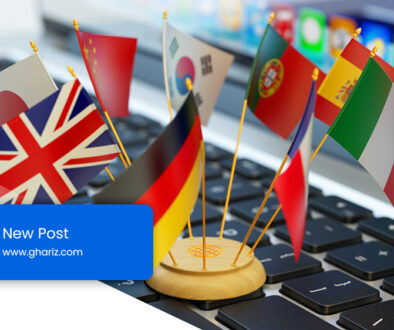

The Importance of Website Localization for International Growth
The internet has transformed the way businesses reach customers around the world. Today, a company’s website often serves as the first point of contact between a brand and its potential customers. For businesses seeking international growth, website localization has become a crucial strategy for expanding their global presence.
Website localization goes far beyond basic translation. It involves adapting website content, images, design elements, and cultural references so that they are relevant and appealing to users in different regions. When a website is properly localized, it creates a more comfortable and familiar experience for international visitors.
Research consistently shows that internet users prefer browsing websites in their native language. Even if users understand a second language, they are far more likely to trust and engage with content that is presented in their primary language. Localization therefore plays a significant role in improving user experience and increasing conversion rates.
Another important benefit of website localization is improved search engine optimization (SEO). When businesses translate and localize their website content using targeted keywords for different languages, they increase their chances of appearing in international search results. This allows companies to attract organic traffic from multiple countries.
Localization also helps businesses avoid cultural misunderstandings. Certain phrases, images, or symbols that are acceptable in one culture may have completely different meanings in another. Professional localization experts ensure that website content is culturally appropriate and respectful for each target market.
In the competitive digital landscape, businesses must differentiate themselves from their competitors. Offering a multilingual website demonstrates professionalism and commitment to serving international customers. It also shows that the company values cultural diversity and global communication.
Localization also supports e-commerce growth. Online stores that provide product descriptions, payment instructions, and customer support in multiple languages are more likely to succeed in international markets. Customers feel more confident making purchases when they fully understand the information presented to them.
Another advantage is increased brand credibility. Companies that invest in professional website localization are perceived as more trustworthy and reliable. Customers are more likely to engage with brands that communicate clearly and professionally in their native language.
As businesses continue expanding globally, website localization will become even more important. Digital platforms are constantly evolving, and companies must adapt their communication strategies to meet the expectations of international users.
Ultimately, website localization is a powerful tool for global growth. By adapting their online presence to multiple languages and cultures, businesses can reach new markets, build stronger relationships with international customers, and achieve long-term success in the global economy.